Buffalo Weather and Roof Damage What Homeowners Need to Know

A roof in Buffalo does not age the same way a roof in a mild climate does. In Western New York, shingles face lake-effect snow, heavy rain, strong wind, ice buildup, and long stretches of freezing temperatures. That kind of weather puts real stress on every part of a roofing system, from the shingles you see to the decking, flashing, ventilation, gutters, and insulation beneath.
Many roof problems start small. One lifted shingle, one cracked seal, or one area of poor attic ventilation may not look urgent from the ground. After a Buffalo winter, that small weak spot can turn into a stain on the ceiling, a soft section of roof decking, or a leak that spreads behind walls.
Understanding how local weather shortens roof life helps homeowners plan better. It also makes it easier to spot early warning signs before damage becomes expensive.

Buffalo weather puts constant pressure on your roof
Western New York weather is hard on roofs because it changes quickly and often. A roof may go from heavy snow to freezing rain, then sunshine, then another freeze within a short period. Each change affects roofing materials in a different way.
A healthy roof is built as a system. Shingles help shed water. Flashing protects joints and edges. Underlayment adds backup protection. Ventilation helps control attic heat and moisture. Gutters move water away. When one part struggles, the rest of the system has to work harder.
Buffalo’s climate challenges that system in several ways:
Heavy snow loads add weight and stress.
Ice dams force water back under shingles.
High winds lift, loosen, or tear off materials.
Freeze-thaw cycles expand cracks and weaken seals.
Rain and moisture find the smallest openings.
Poor ventilation traps heat and moisture in the attic.
A roof may not fail all at once. More often, the damage builds season after season. That is why regular inspections matter, especially after rough winter weather or strong wind events.
Heavy snow can strain the roof structure
Snow itself is not always the problem. The real issue is weight. Light, fluffy snow places less stress on a roof than wet, dense snow. Buffalo and the surrounding Southtowns often see both, sometimes during the same storm system.
Several feet of wet snow can place a serious load on the roof. The roof framing, decking, shingles, and fasteners all carry that weight. If snow sits for a long time, it can also block proper drainage when temperatures rise.
Signs that snow load may be stressing a roof include:
Sagging roof areas
New ceiling cracks
Interior doors that suddenly stick
Water stains after a thaw
Creaking or popping sounds during heavy accumulation
Not every sound or stain means structural damage, but these signs deserve attention. A professional inspection can separate normal winter movement from a real roofing concern.
Homeowners should also be careful with snow removal. Raking a roof from the ground can help in some situations, but aggressive scraping can damage shingles. Climbing onto an icy roof is dangerous and can cause more harm than good. If snow buildup looks severe, it is safer to call an experienced roofing professional.
Ice dams are one of Buffalo’s biggest winter roof problems
Ice dams form when heat escapes into the attic and warms the roof deck. Snow melts on the upper part of the roof and runs downward. When that water reaches the colder edge near the gutters, it refreezes. Over time, the ice builds into a dam.
Once a dam forms, melting water has nowhere to go. It can back up under shingles and reach the underlayment, decking, insulation, and ceiling below.
Ice dams often show up along:
Roof edges
Gutters
Valleys
Dormers
Low-slope roof sections
Areas above poorly ventilated attic spaces
The visible ice is only part of the problem. The real damage may be hidden. Water can travel behind siding, soak insulation, stain drywall, or lead to rot in areas that are hard to see.

Ventilation and insulation make a major difference
Ice dams are often tied to attic conditions. A well-balanced attic stays closer to the outdoor temperature in winter. That helps prevent uneven melting on the roof surface.
Two parts matter most.
Insulation keeps heat from escaping the living space into the attic.
Ventilation allows cold air to enter and warm, moist air to leave the attic properly.
If insulation is thin, uneven, or compressed, heat can leak upward. If vents are blocked or poorly placed, attic air cannot move the way it should. That combination increases the risk of ice dams and shortens roof life.
A roofing inspection can catch signs of poor ventilation, including damp insulation, frost in the attic, mold-like staining, rusted nail tips, or curled shingles. Fixing ventilation issues may not be as visible as replacing shingles, but it can protect the roof for years.
High winds can turn small shingle problems into leaks
Buffalo gets strong wind throughout the year, especially during spring and fall storms. Wind does more than blow debris around the yard. It can lift shingles, break adhesive seals, loosen flashing, and expose the roof deck.
A shingle does not have to fly off completely to become a problem. Once wind lifts the edge, driven rain can work underneath. The next storm can widen the gap. Over time, the shingle may crack, crease, or detach.
Common signs of wind damage include:
Missing shingles
Shingles that look raised or uneven
Creased shingle tabs
Granules collecting in gutters
Exposed nail heads
Loose flashing around chimneys or walls
Debris impact marks
Wind damage often appears on roof edges, ridges, and corners because those areas take the most pressure. Older shingles are even more vulnerable because their seals may be weaker and their surfaces more brittle.
After a major wind event, it is smart to check the property from the ground. Look for shingles in the yard, loose gutter sections, or exposed roof areas. If anything looks off, schedule an inspection before the next round of rain.
Freeze-thaw cycles wear down roofing materials
Buffalo winters are rarely one long freeze. Temperatures often move above and below freezing many times. That repeated freeze-thaw cycle is tough on roofing materials.
Water expands when it freezes. If moisture enters a small crack, seam, or gap, it can expand and make that opening larger. When the ice melts, more water can enter. The cycle repeats, and the damage grows.
Freeze-thaw damage can affect:
Asphalt shingles
Flashing seams
Caulking and sealants
Chimney mortar
Roof valleys
Skylight edges
Gutters and downspouts
This is one reason tiny roof defects matter. A small crack in the fall can become a bigger problem by spring. When roof materials are already aging, freeze-thaw stress speeds up wear.
Heavy rain exposes weak spots fast
Buffalo’s roof problems are not limited to snow and ice. Heavy rainfall can quickly reveal damaged shingles, failed flashing, clogged gutters, or worn roof valleys.
Rain becomes especially damaging when paired with wind. Wind-driven rain can push water sideways under lifted shingles or into gaps around flashing. If gutters are clogged, water backs up at the roof edge and can soak fascia boards or spill near the foundation.
The most leak-prone areas are usually transitions and penetrations. These include:
Chimneys
Skylights
Plumbing vents
Roof valleys
Dormers
Wall intersections
Low-slope sections
Gutter lines
These areas rely on careful flashing and proper installation. If flashing rusts, separates, or was installed poorly, leaks can develop even when the shingles still look fine.
Inside the home, early rain damage may show as a faint ceiling stain, peeling paint, a musty smell, or damp attic insulation. Any of these signs should be checked quickly. Water rarely stays in one place, and the visible stain may be far from the actual roof opening.
Aging shingles lose protection faster in harsh climates
Asphalt shingles are designed to protect against sun, wind, rain, and snow, but they do not last forever. Buffalo weather can shorten their useful life because it exposes them to more extreme seasonal stress.
Granules are one of the main protections on an asphalt shingle. They shield the asphalt layer from sunlight and physical wear. Over time, granules loosen and wash into gutters. Hail, ice, foot traffic, and heavy runoff can speed up that loss.
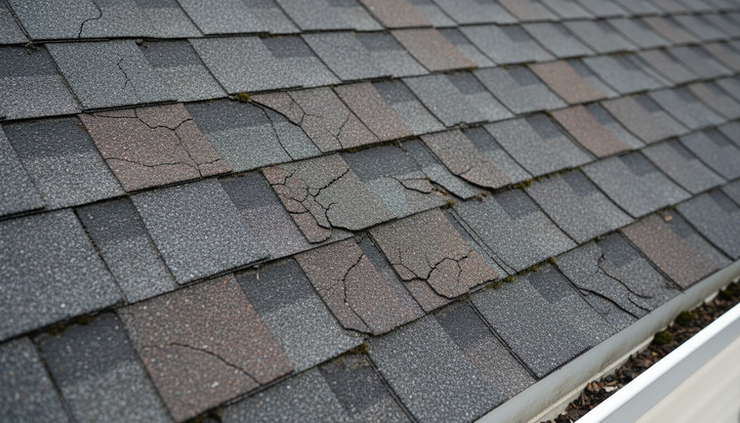
Aging shingles may show:
Curling edges
Cracking
Bald spots where granules are missing
Dark streaking
Brittle texture
Loose tabs
Frequent small leaks
The age of the roof matters, but condition matters more. A roof that has faced years of lake-effect snow, ice dams, and wind may need attention sooner than a roof in a calmer climate.
This is where a professional opinion helps. Sometimes a repair is enough. Other times, repeated patching only delays the inevitable. If damage is widespread, a western new york roof replacement may be the better long-term choice, especially when the roof has reached the end of its service life.
Preventative maintenance can save thousands
The most expensive roof repairs often start as small, affordable fixes. A loose shingle, cracked pipe boot, or minor flashing gap may not seem urgent. Once water enters the home, the repair can involve insulation, drywall, framing, paint, or even electrical concerns.
A preventative roof inspection can identify problems such as:
Loose or missing shingles
Flashing problems
Ventilation issues
Hidden leaks
Storm damage
Worn pipe boots
Soft roof decking
Clogged or damaged gutters
Poor attic moisture control
Timing matters. For Buffalo-area homes, roof inspections are especially useful in spring after winter weather and in fall before freezing temperatures return. An inspection after a major windstorm is also a smart move.
Homeowners searching for a roofing company near me should look for a contractor familiar with Western New York weather. Local experience matters because Buffalo roofs face conditions that are different from many other regions.
When a repair is enough and when replacement makes sense
Not every roof problem requires a full replacement. If damage is limited to a small area and the rest of the roof is in good condition, a repair may solve the issue.
A repair may be enough when:
A few shingles are missing
Flashing needs resealing or replacement
A pipe boot has cracked
Damage is limited to one storm-affected section
The roof is otherwise relatively healthy
Replacement becomes more likely when:
Shingles are curling or cracking across large areas
Leaks happen in multiple places
Decking has widespread soft spots
Granule loss is severe
Ice dam damage keeps returning
The roof is near or past its expected service life
Repairs are becoming frequent
A good roofing contractor should explain both options clearly. The goal is not to sell the largest project. The goal is to protect the home with the right solution for the roof’s age, condition, and exposure.

Southtowns Roofing WNY understands local roof damage
Buffalo, Hamburg, Orchard Park, West Seneca, East Aurora, Cheektowaga, Lancaster, Lackawanna, and nearby communities all see demanding roof conditions. Lake-effect snow, strong winds, ice buildup, and freeze-thaw cycles are part of owning a home in Western New York.
Southtowns Roofing WNY serves homeowners throughout the region with inspections, roof repairs, and complete roof replacements built for local weather. That local knowledge matters when evaluating storm damage, ventilation concerns, ice dam risk, and the long-term condition of shingles.
The best time to deal with roof damage is before water enters the home. If the roof has missing shingles, recurring ice dams, stains on the ceiling, or signs of winter wear, schedule an inspection and get clear answers. A small repair today can prevent a much larger problem after the next Buffalo storm.


Comments