5 Warning Signs Your Roof Needs Replacing Before Winter in Buffalo NY

Buffalo winter does not give a weak roof much room for error. One heavy lake-effect storm, a round of freezing rain, or a sudden thaw can turn a small roofing issue into a ceiling stain, soaked insulation, or an emergency repair.
For homeowners in Buffalo, Hamburg, Orchard Park, West Seneca, East Aurora, and the surrounding Southtowns, the best time to think about your roof is before the snow starts piling up. Once winter arrives, ice, wind, and cold temperatures make roof problems harder to find and harder to fix.
The good news is that many warning signs show up before a full leak happens. If you know what to look for, you can make a better decision about repair, replacement, or a professional inspection.

Why Buffalo roofs take such a beating
A roof in Western New York has to handle more than ordinary wear and tear. Buffalo-area homes deal with long winters, lake-effect snow, strong winds, ice buildup, freeze-thaw cycles, and wet spring weather.
That matters because roofing materials expand and contract as temperatures change. Water can work into small gaps, freeze, expand, and make those gaps worse. Snow that sits on the roof can add weight. Ice near the eaves can block melting snow from draining properly.
A roof that might last longer in a milder climate can age faster here, especially if it was installed poorly, has weak ventilation, or has already lost shingle protection.
If you have ever searched when should i get a new roof, the better question is often this: will your current roof make it through another Buffalo winter without putting your home at risk?
1. Missing or damaged shingles are easy to spot from the ground
You do not need to climb onto your roof to notice many major shingle problems. In fact, you should avoid walking on the roof unless you have the right safety equipment and experience.
Start with a careful look from the yard, driveway, or sidewalk. Use binoculars if needed. Look for shingles that are:
Missing completely
Curled at the edges
Cracked or split
Buckled or lifted
Loose after wind
Darker or more worn than nearby areas
A few damaged shingles may only need a repair, especially if the rest of the roof is in good shape. But widespread shingle damage often points to an aging roof system.
In Buffalo, wind can lift shingles and break the seal that helps them resist future storms. Once that seal is weakened, water can get pushed underneath during heavy rain or melting snow. A shingle that looks only slightly raised in October can become a much bigger issue by February.
Pay close attention to areas near roof edges, valleys, chimneys, skylights, and dormers. These spots tend to take more abuse because water, snow, and ice collect or move through them.
A practical tip: check your roof after strong wind events. If you find shingles in the yard or driveway, do not ignore them. Even one missing shingle can expose the layer underneath to moisture.

2. Granules in your gutters can mean the shingles are wearing out
Asphalt shingles are covered in small granules. These granules help protect the shingles from sun exposure and weather. Over time, shingles lose those granules naturally. The problem starts when the loss becomes heavy or uneven.
If you clean your gutters and notice piles of black, gray, or sand-like material, your shingles may be deteriorating. You may also see granules at the bottom of downspouts or near splash blocks.
Granule loss matters because it leaves the asphalt layer more exposed. Once that protective surface wears away, shingles can dry out, crack, and age faster.
Some granule loss is normal on a newer roof, especially right after installation. Loose granules from manufacturing can wash away during the first few storms. But if your roof is older and your gutters keep filling with granules, it is a sign worth taking seriously.
You may also notice “bald” patches on the roof. These patches can look shiny, dark, or uneven compared with the surrounding shingles. In winter, those weaker areas may be more prone to water intrusion because the shingles no longer shed water as well.
Do not wait until the gutters overflow. Clogged gutters can make roof problems worse by trapping water near the roof edge. Before winter, make sure gutters and downspouts are clear so melting snow has somewhere to go.
3. Water stains inside your home often point to a roof leak
Brown or yellow stains on ceilings and walls are one of the clearest signs that water is getting inside. Some stains are small at first. They may show up in a corner, around a light fixture, near a chimney, or along an upstairs wall.
It is tempting to paint over a stain and hope it was a one-time issue. That can be a costly mistake.
A small leak can soak insulation, stain drywall, damage wood, and create conditions where mold can grow. The leak may not appear directly below the roof opening, either. Water can travel along rafters, pipes, or framing before it shows up inside the living space.
Common interior warning signs include:
Brown ceiling stains
Peeling paint near the roofline
Damp or musty attic smells
Wet insulation
Dark marks on attic rafters
Dripping during rain or snowmelt
If you can safely access your attic, check it during daylight. Look for pinpoints of light coming through the roof boards. Also look for damp wood, dark streaks, or areas where insulation looks flattened or discolored.
Winter makes leaks harder to track because snow and ice can sit on the roof for days or weeks. Water may enter during a thaw, then disappear when temperatures drop again. That on-and-off pattern can hide the true size of the problem.

4. A roof over 20 years old deserves a closer look
Most asphalt shingle roofs last about 20 to 30 years, depending on the product, installation quality, ventilation, maintenance, and weather exposure. In Buffalo and the Southtowns, snow, ice, and wind can shorten that lifespan.
Age alone does not always mean immediate replacement. Some 20-year-old roofs still have useful life left. Others begin failing sooner because of poor installation, storm damage, or attic ventilation problems.
If your roof is over 20 years old, start paying attention to the full pattern of wear. A roof nearing the end of its life often shows several symptoms at once:
Shingles look dry, brittle, or faded
Edges curl across large sections
Granules collect in gutters
Repairs become more frequent
Flashing looks loose or worn
Leaks appear in more than one area
This is also when homeowners often compare repair costs with replacement costs. One repair may make sense. Repeated repairs before every winter can become a sign that the roof system is no longer reliable.
If you are planning roof replacement buffalo ny work, summer and fall are usually better seasons to schedule it. Crews have safer working conditions, materials can seal properly, and weather delays are often less severe than they are once snow and ice arrive.
5. Sagging roof areas need immediate attention
A sagging roof is never something to ignore. It may show up as a dip in the roofline, a wavy area between rafters, or a section that looks lower than the surrounding roof.
Sagging can point to serious problems, including trapped moisture, weakened decking, structural movement, or long-term water damage. Heavy snow can add stress to an already weakened area, which makes winter a risky time to “wait and see.”
Look at your roofline from across the street if you can do so safely. A healthy roof should have straight, even lines. If the ridge appears to sag, or if one section looks bowed, schedule an inspection as soon as possible.
Inside the attic, sagging may come with other warning signs:
Soft or dark roof decking
A musty smell
Wet insulation
Cracked rafters
Visible mold-like staining
Daylight coming through gaps
This is one situation where a quick patch is not enough. The cause needs to be found. If moisture has weakened the decking or framing, the roofing materials above it may not be the only issue.
Why summer and fall are better times to replace a roof
Roof replacement before winter is about more than comfort. Timing can affect the quality of the installation and the stress level of the project.
Asphalt shingles need suitable temperatures to seal correctly. Cold weather can make materials less flexible, and snow or ice can slow the work. Winter roofing is possible in some cases, especially for urgent leaks, but it is rarely ideal.
Replacing a worn roof in summer or fall gives homeowners several advantages:
Better installation conditions
Crews can work more safely and efficiently when the roof is dry and clear.
Fewer weather delays
Rain can still interrupt work, but snow and ice are less likely to stop the project for long stretches.
Lower chance of emergency leaks
A planned replacement is easier than dealing with dripping water during a storm.
Protection before snow and ice arrive
A new roof system is better prepared for winter weight, wind, and melting snow.
More time to inspect related issues
Ventilation, flashing, decking, gutters, and attic concerns can be addressed before the cold sets in.
For many Buffalo-area homes, fall is the last practical window before winter weather becomes unpredictable. If you already see several warning signs, waiting until the first major snowfall may limit your options.
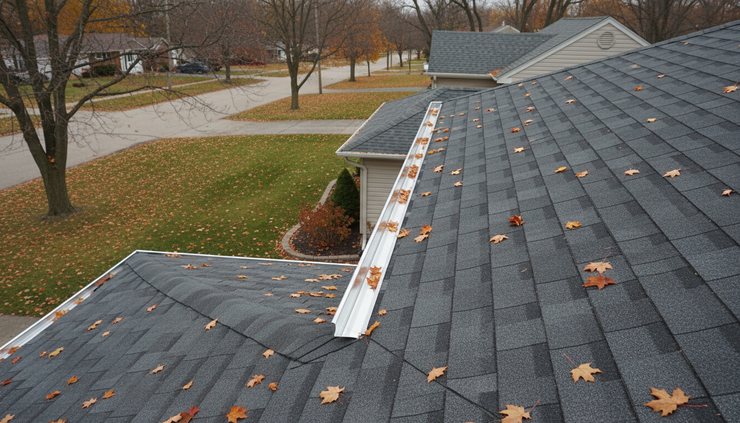
Repair or replacement depends on the whole roof system
Not every roof problem requires a full replacement. A newer roof with one missing shingle or a small flashing issue may only need a targeted repair. An older roof with widespread curling, granule loss, stains, and soft decking may be a better candidate for replacement.
The key is to look at the full roof system, not just the most obvious symptom.
A good inspection should include:
Shingle condition
Flashing around chimneys, vents, and skylights
Roof valleys
Gutters and drainage
Attic ventilation
Decking condition
Signs of past or current leaks
Overall roof age
This is where an honest recommendation matters. The right answer is not always the biggest project. If the roof still has life left, a repair or maintenance plan may be enough. If replacement is the smarter route, you should understand why before making a decision.
At Southtowns Roofing WNY, the goal is to provide clear inspections and honest guidance. If your roof can be repaired, you should hear that. If it is nearing the end of its life, you should know your options before winter weather forces a rushed decision.
What to do before the first snow
A simple pre-winter roof check can help prevent bigger problems later. You do not need to climb a ladder to start.
Walk around your home and look for missing shingles, lifted edges, sagging areas, and heavy wear. Check gutters for granules and blockages. Look inside for stains, musty smells, or attic moisture. If your roof is older than 20 years, treat those signs with extra caution.
If anything looks questionable, schedule a professional inspection before winter settles in. That gives you time to make a calm decision, compare options, and protect your home before snow and ice test every weak spot.
Buffalo winters are tough on roofs. A little attention in summer or fall can save you from a stressful leak in the middle of a snowstorm.


Comments